Personalized Welcome Classroom Sign SVG
Creating a cohesive and inviting learning environment is one of the most effective ways to set the tone for the academic year. For educators, classroom management begins before the first bell rings; it starts with the atmosphere. A Personalized Welcome Classroom Sign SVG serves as a critical component in this preparatory phase, bridging the gap between digital design files and tangible, high-quality physical decor. This resource is not merely a graphic; it is a workflow asset designed for creators who utilize laser cutters, CNC routers, or vinyl plotters to produce custom educational materials.
The core value of this SVG file lies in its layered structure and versatility. Unlike flat images that require extensive post-processing, an optimized SVG allows for precise scaling and individual element manipulation. This makes it ideal for producing wooden plaques, acrylic door hangers, or vinyl decals. By integrating this digital asset into your production pipeline, you can streamline the creation process, ensuring consistency across multiple projects while adding a personal touch that resonates with students and parents alike.
Understanding the Asset Structure and Compatibility
Before initiating any fabrication process, it is essential to understand the technical specifications of the Personalized Welcome Classroom Sign SVG. The file is provided in multiple formats—SVG, DXF, AI, EPS, PDF, and DWG—to accommodate various software ecosystems. This multi-format approach ensures compatibility regardless of whether you are using open-source tools like Inkscape or industry-standard platforms such as Adobe Illustrator or CorelDRAW.
The inclusion of both vector (SVG, AI, EPS) and raster (PDF) formats offers flexibility in your workflow. Vector files are crucial for laser cutting and CNC routing because they define paths rather than pixels, allowing for clean cuts at any scale without loss of quality. The DXF format is particularly useful for users working with older versions of design software or specific machine controllers that prefer this exchange standard. Meanwhile, the PDF file serves as a reliable reference for print-on-demand services or for visualizing the final layout before committing material.
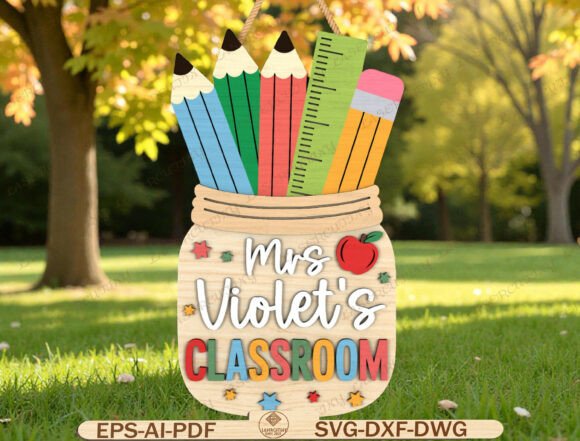
Compatibility extends beyond software to hardware. This design is optimized for popular machines including Glowforge, xTool, OMTech, Thunder Laser, Cricut, and Silhouette. When preparing your machine settings, consider the material thickness and density. For wooden signs, a higher DPI setting on your laser may be necessary to achieve crisp edges on small details like hearts and pencils, while vinyl plotting requires precise blade pressure calibration to prevent tearing delicate elements.
Integration into the Creative Workflow
Incorporating a personalized sign into your teaching or business workflow involves several stages: planning, customization, production, and installation. Each stage benefits from the structured nature of the SVG file.
Planning and Customization
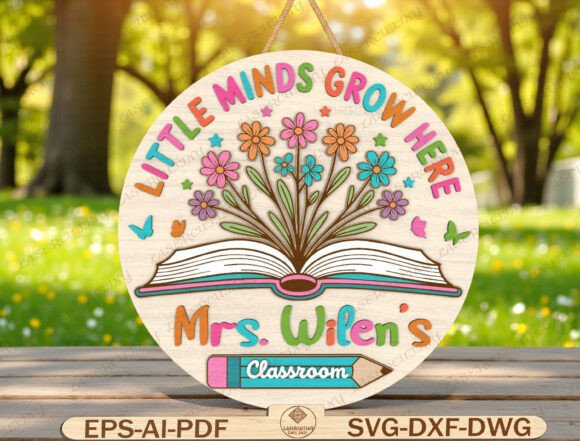
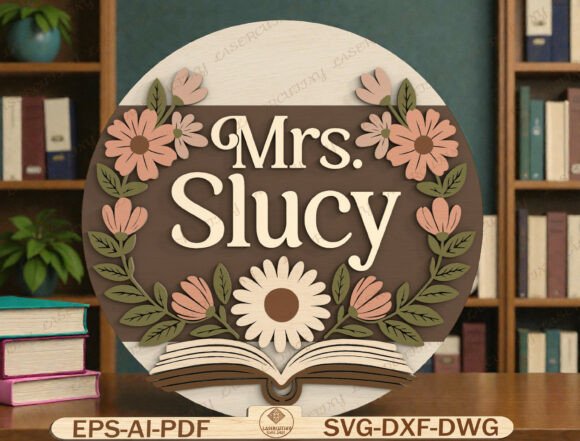
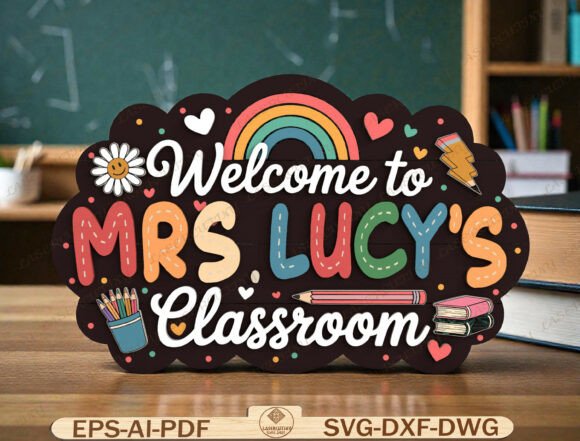
The "personalized" aspect of this sign is where the creative process truly begins. Because the text elements are typically separated layers, you can easily modify the teacher’s name, grade level, or welcome message. Use your preferred design software to adjust font sizes, colors, and positioning. This step allows you to align the sign with your existing classroom theme, whether it is rainbow-themed, rustic, or modern minimalist.
Efficiency tip: Create a library of common names and titles within your design software. This reduces repetitive typing and ensures consistent formatting across different projects. If you are selling these signs as part of a small business, establishing a template system will significantly reduce turnaround times.
Material Selection and Preparation
The choice of material impacts the final aesthetic and durability of the sign. Wood provides a warm, traditional feel that pairs well with the playful lettering and school-themed elements like books and pencils. Acrylic offers a vibrant, contemporary look, especially when using colored sheets. When selecting wood, consider grain direction and moisture content to prevent warping during the cutting process. Pre-sanding the surface can enhance paint adhesion if you plan to hand-paint or stain the sign after cutting.
For those using CNC routers, ensure that your stock material is securely fastened to the bed. Vacuum tables or clamps are essential to maintain stability during high-speed operations. If you are using a laser cutter, test cuts on scrap material are mandatory to determine the correct power and speed settings for your specific machine and material combination.
Production and Quality Control
Once the design is finalized and material prepared, proceed with the cutting or plotting process. Monitor the first few pieces closely to identify any potential issues, such as burning, incomplete cuts, or misalignment. After production, inspect each sign for defects. Remove any debris, sand rough edges, and apply finishes as needed. This quality control step is vital for maintaining professionalism, especially if these signs are intended as gifts or commercial products.
Strategic Use Cases and Applications
The Personalized Welcome Classroom Sign SVG is versatile enough to serve multiple purposes throughout the educational calendar and beyond. Its utility extends beyond simple decoration, functioning as a tool for community building and professional recognition.
- Back-to-School Preparation: Install the sign on your classroom door before the first day of school. A welcoming entrance reduces student anxiety and signals organization to parents. Personalizing the sign with the current year or grade level adds a timely touch that feels fresh and relevant.
- Teacher Appreciation Gifts: These signs make thoughtful, handmade gifts for colleagues. The ability to customize the recipient’s name and add heartfelt messages transforms a mass-produced item into a cherished keepsake. Producing these in bulk during the summer months allows you to have them ready for Teacher Appreciation Week or end-of-year celebrations.
- Classroom Branding: Use the sign as a central anchor for your classroom decor. Coordinate the colors of the rainbow, pencils, and other elements with bulletin boards, bins, and wall art. Consistent branding creates a visually harmonious environment that supports focus and engagement.
- Professional Portfolios: For educators who create content on social media or blogs, high-quality photos of your personalized sign can showcase your organizational skills and creativity. It serves as a tangible example of your dedication to creating a positive learning space.
Long-Term Value and Maintenance
Investing in a high-quality SVG file offers long-term value through reusability and adaptability. Unlike physical products that degrade over time, digital assets remain intact indefinitely. You can reuse the same design file year after year, simply updating the text layer for new classes or teachers. This sustainability reduces waste and cost over time.
Maintenance of the physical sign depends on the material used. Wooden signs may require occasional dusting or re-staining to maintain their appearance. Acrylic signs can be cleaned with non-abrasive cleaners to preserve clarity. Store unused signs properly to avoid damage, keeping them in a dry, cool place away from direct sunlight to prevent fading.
Conclusion on Implementation
Successfully implementing a Personalized Welcome Classroom Sign SVG requires attention to detail at every stage, from file preparation to final installation. By understanding the technical requirements, leveraging the flexibility of the layered design, and integrating the sign into a broader strategy for classroom environment management, you can create impactful, professional results. Whether you are an educator enhancing your own space or a creator serving the education market, this asset provides a robust foundation for producing meaningful, personalized decor that stands the test of time.
Remember to document your process, noting optimal settings for different materials and machines. This knowledge base will grow with each project, making future implementations faster and more efficient. Ultimately, the goal is to create a welcoming atmosphere that supports learning and fosters a sense of belonging, starting with a single, well-crafted sign.